
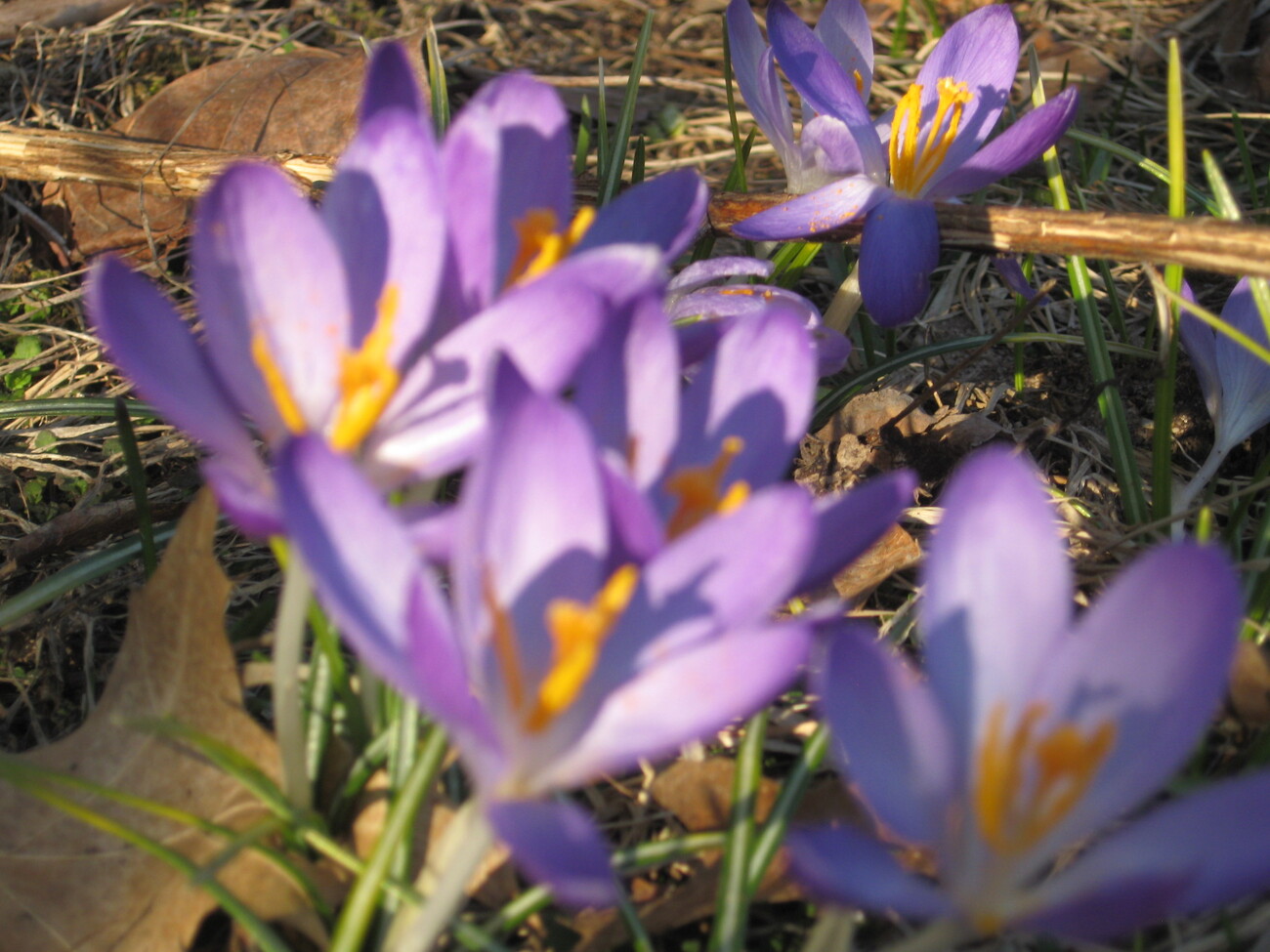
Two sure signs of spring are the crocuses in bloom and the Spring Conservation Hearings
This year’s annual Spring Conservation hearings will be held beginning on April 14, 2025 at 6:00 p.m. in each county, or online starting on April 14, 2025 at 7:00 p.m. through April 16, 2025 at 6:00 p.m. The Spring Hearing in Dunn County will be held, as always, at the Dunn County Fish and Game Clubhouse on Pine Avenue. There are a total of seventy-four questions divided between the DNR, Natural Resources Board, and Conservation Congress portions of the Questionnaire.
Question 1 would allow hunters to quarter deer in the woods and leave non-edible parts in the woods when hunting on public land. This rule change is being proposed to make it easier for young and elderly hunters to get their deer out of the woods, and to encourage hunters who hunt on public land to hunt further from the roads. The DNR also believes that this change may help contain the spread of CWD since CWD infected deer parts will stay in the woods where the deer lived. The DNR also notes that this type of game recovery has been done successfully in Western States. Having elk hunted in Colorado, I have experienced this system first hand. The rules for recovering elk and other game from way back in the mountains are very strict. The first rule is that all meat must be hauled out before the hide and antlers can be recovered. The second rule is that no meat may be wasted and left in the woods. Two other considerations for hunters thinking about doing this are quartering a deer on the ground is more difficult than butchering a deer hanging in a shed, and you still have to have a way to haul the deer out of the woods. A Freighter pack is a great way to get meat out of the woods, but they still require sweating.
Question 2 would allow the use of tech devices such as cellular trail cameras to tend traps rather than having the trappers tend the traps in person. Trappers are required to tend their traps, (IE visit them} every 24 hours to see if they have caught any animals. The DNR hopes that this change will allow more people to trap, including disabled folks or elderly folks. If adopted, this change would require new rules on how to tend traps via cell phones, including establishing how soon a trapper must get to a trap with an animal, and a record keeping system to show the rules are being followed.
Question 4 requests that disabled hunters be allowed to hunt during the two-day youth firearm season. Currently, disabled hunters must be part of a sponsored hunt on an enrolled property. This requirement prevents disabled hunters from hunting on their own property. The disabled hunt also overlaps with the youth hunt. The change would give disabled hunters two days to harvest deer statewide and thus hunt on their own land. After the Youth Hunt is over, disabled hunters would then have to hunt in a sponsored hunt.
Question 6. This question proposes opening the general trout season to the first Saturday in April at 5:00 AM instead of the first Saturday in May. The change would add 23 to 30 days to the trout season. The DNR states that this change will not impact trout populations due to low harvest numbers and will encourage anglers to fish in Wisconsin rather than traveling to neighboring states that have seasons that open earlier than Wisconsin’s trout season.
Changing the base trout regulation from 3 fish with an 8-inch limit to 5 fish with no size limit is the goal of Question 7. According to the DNR creel surveys and other surveys, many trout anglers either practice catch and release or have a self-imposed size limit of 8 inches for brook trout and 9 inches for brown trout. Hence, the DNR is willing to change the base trout possession limit. This rule change would not affect special rules and limits on high-quality trout streams.
Fishing on the lower Red Cedar River will be impacted by the change proposed in Question 8. This rule change would establish a catch and release hook and line fishing season for lake sturgeon beginning on the first Saturday in June to the first Sunday in March on 17 water bodies, including the Red Cedar River from the Lake Menomin Dam downstream to the Confluence with the Chippewa River. Other nearby water bodies that are on the list include the Eau Claire River from the Lake Altoona Dam to the Chippewa River, and the Black River from the Black River Falls Dam to the Mississippi River. Having caught and released sturgeon on the lower Chippewa River, I can attest to the challenge of landing even a smaller sturgeon.
The majority of fisheries questions involve local regulations confined to specific bodies of water and specific fish species, including northern pike, walleye, trout, and panfish. Question 41 would lower the limit for panfish from 25 to 10 in aggregate. This change would affect a number of lakes around the state, including the Colfax Gravel Pond in Dunn County. This change is being proposed due to the overharvest of panfish under the current rules.
Question 44 is the first Advisory Question on the Natural Resources portion of the Questionnaire. This question proposes requiring all active bear baits on public land be labeled with identification. This would make bear baits consistent with labeling requirements for items like ice shacks, ground blinds and tree stands. The rule would simplify the job of DNR wardens in ensuring that baiting rules are being followed.
Question 45 would create an exemption in the anti-conservation REINS Act for regulations involving groundwater, similar to the exemption already in the act for air quality. This proposed change would allow the DNR to finally begin the process of cleaning up PFAS in the state.
The first question in the Conservation Congress section is Question 47, and it calls for the elimination of lead ammunition and fishing tackle. The negative and deadly effects of lead ammo and tackle on wildlife are well established scientific facts. Today, there are many non-toxic alternatives to both fishing tackle and ammo, although not all types of firearms have non-toxic alternatives.
Question 48 calls for the protection of lakes, streams, and their fish and wildlife from pollution caused by animal manure and commercial fertilizer. This question aims to stop nitrogen and phosphorus pollution in lakes like Tainter and Menomin. Changing the regulations on non-point source pollution from CAFOs and generating more funding to implement the regulation changes are central to this proposal. This proposal also calls for the establishment of an independent team of experts to recommend changes that protect our water, lakes, and streams from animal manure and commercial fertilizer.
Questions 49 and 50 are designed to deal with the effects that seasonal campgrounds have on water quality and the environment. Question 49 calls for a requirement that seasonal campsites with stationary RVs using wastewater treatment systems adhere to similar lot sizes as required for residential homes. Question 50 supports increasing wastewater discharge design standards to 100 gallons per day for seasonal campgrounds.
Question 56 seeks to increase funding for upland and warm water lake and stream habitat improvement projects by creating an annual Habitat Stamp. Each DNR customer would be required to purchase one $5.00 stamp per year.
Question 63 calls for the restoration of a separate Mississippi River zone for goose hunting. Hunting geese on the big river is unique in the state and having a separate Mississippi River zone allows for more flexibility in establishing regulations for the Mississippi river that increase hunting opportunities.
Attending the meeting, either in-person or on line is a great way to further conservation in the state
The Conservation Congress web page can be found here https://dnr.wisconsin.gov/about/wcc. The full Questionnaire can be found here https://dnr.wisconsin.gov/sites/default/files/topic/About/WCC/2025/2025…
Memberships


Add new comment