
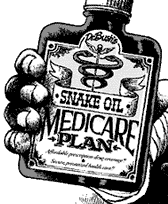
 Sometimes a little distance from the capitol -- state or national -- improves your perspective. Case in point: A look at Rep. Paul Ryan's Roadmap.
Memo to Wisconsin U.S. Rep. Paul Ryan (R-Janesville):
Stop whining.
After months of relentless, vicious and often false attacks from Republicans on proposed health care legislation -- a bill that would still leave America’s system the most privatized in the western world -- Ryan is shocked that anyone would scrutinize his own health care plan. He told the Milwaukee Journal-Sentinel: “The Democratic attack machine is in full throttle. It’s sad but predictable.”
The editorial concludes:
Ryan’s plan does reduce the deficit, but it does so by brutally slashing benefits and exacerbating the growing income and wealth gaps between the extremely rich and everyone else. Is it an honest plan with honest numbers? Yes. But Congressman, please don’t whine when your critics identify the deep cuts in Medicare. They’re simply identifying your plan for what it is.
Amen.
Meanwhile, WisPolitics misses the point:
-- Ryan's plan has received some generally favorable reviews from the Congressional Budget Office.
Perhaps the bottom line of the 50-page CBO report came on page 5: “The Roadmap, in the form that CBO analyzed, would result in less federal spending … On balance, those changes would reduce federal budget deficits and the federal debt.”
No one's arguing that it would reduce budget deficits and the debt. What's at issue is how he would do it.
Paul Krugman weighed in today in the New York Times:
...Rep. Paul Ryan’s Roadmap for America’s Future calls for the eventual elimination of Medicare as we know it, replacing it with a system of vouchers that would, eventually, account for a steadily declining share of GDP. But what about the next decade? Mr. Ryan’s release says that it "Strengthens the current program with changes such as income-relating drug benefit premiums to ensure long-term sustainability."
What does that mean? The CBO, helpfully, translates: People who are age 65 or older in 2020 and other existing enrollees at that time would continue to be covered by the current program, although some higher income enrollees would pay higher premiums, and some program payments would be reduced.
In other words, Medicare would face cuts.
As The Economist says,"It's easy to bring down medical costs. Just stop paying them."
It's nice to hear from The Times and The Economist. But it's even better to hear some common sense analysis from Tomah. It's been far too lacking in the Wisconsin media.