
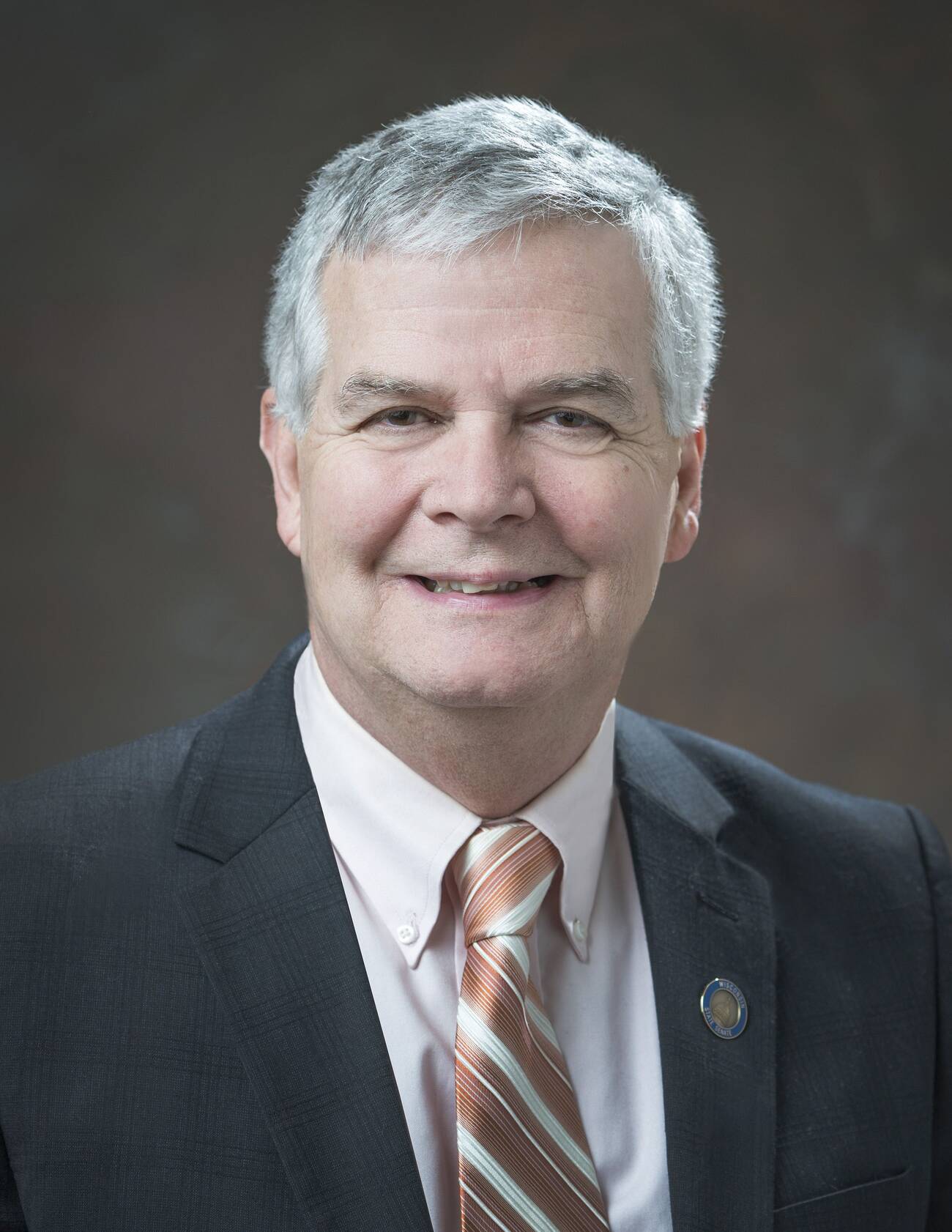
Senator Jeff Smith
We live our lives with much uncertainty. We can never be sure our plans will work out perfectly, and we may have to adjust due to unforeseen events. It could be weather changes, mechanical problems, an illness or accident that may change our entire life. But, even with uncertainty hanging over us like a cloud, we plan and move ahead.
Most of the time, plans are kept and we live another day healthy and free of worry. If things go as we plan, we will live a long and healthy life. But even as we approach our later years we won’t be able to do the things we once did for ourselves and we’ll need help. Many of us see this with our own parents or elderly neighbors; they need caregivers. It could be us or the people we care about; it could be at our homes or at a care facility; no matter who or where, professional caregivers are critical for our communities.
Like a lot of other things, the COVID-19 pandemic has pulled back the curtain to reveal the weaknesses of our healthcare system, including a caregiver shortage. This profession is in crisis; like so many other essential workers, caregivers have been left behind. It’s important that we recognize the shortfalls that currently exist for Wisconsin’s caregiver workforce. Understanding these barriers will help us know what we need to do to support caregivers and strengthen this essential workforce.
Less funding and more complicated systems have forced many who would have otherwise considered a healthcare position, caring for the elderly or clients with disabilities, to reconsider purely for financial reasons. When such highly skilled people are able to find work in other professions that pay livable wages with benefits who can blame them for looking out for their own families’ needs?
Governor Tony Evers recognized the shortage of professional caregivers as a crisis, particularly as we enter an era of increased need brought on by the aging baby boomer generation. This awareness resulted in Governor Evers creating the Task Force on Caregiving in 2019, which was asked, “to analyze strategies to attract and retain a strong direct care workforce and to assist families providing caregiving supports and services.”
After months of meetings with stakeholders throughout Wisconsin, the Task Force presented their findings and recommendations in the “Wisconsin Caregivers in Crisis” report to Governor Evers in September. During the course of their meetings, the Task Force found the caregiver workforce is “in a state of perpetual turnover” due to low-wages, despite the many open positions that are available.
When the turnover of professional direct care workers is so dramatic, it becomes a truly dangerous situation for many clients who need and deserve consistency in their care. When speaking with constituents with special needs, a top concern is that they are continuously training new caregivers.
The Task Force’s report provides a comprehensive list of proposals intended to address this crisis and better support caregivers. The list details approaches to broadly address Wisconsin’s caregiving needs by focusing on five key strategies: invest in tools to help family caregivers; reform direct care workforce rates; expand benefits for the caregiving workforce; improve outreach to Wisconsin’s untapped workers and better connect caregivers and people in need of care through a Home Care Provider Registry.
While reading the report, the proposal that really caught my eye – which could be easily implemented to help Wisconsinites – is Medicaid Expansion. Over the course of the legislative session, we’ve already heard a lot about the advantages of expanding Medicaid. Now we know, Medicaid expansion would help solve some of the big problems our state’s caregiver workforce is facing. Specifically, the report concluded caregivers could earn more money and “allow an additional 60% of caregivers to obtain health insurance,” all the while improving caregiver retention.
This session, I’ve heard from countless constituents and healthcare professionals urging the Legislature to expand Medicaid. We can bring tax dollars back to our state from the federal government, allow 80,000 more people access to health care and improve our caregiver workforce. Twenty-nine states have already expanded Medicaid – it’s time Wisconsin does too.
Memberships
Gun bills too nuts even for Sykes, Wagner
From the Wisconsin Anti-Violence Effort, some surprising news:
You might not believe who’s joined you in speaking out about the dangers of the “guns in public” legislation currently being rammed through our state legislature.
Conservative radio hosts Charlie Sykes and Jeff Wagner are self-proclaimed gun rights supporters. But on last Friday’s show, they came out hard against the extremists in Madison who are rushing to allow guns in our public places.
Listen to Charlie Sykes and Jeff Wagner on the “guns in public” bills and share the news with your friends and family.
Charlie Sykes, Jeff Wagner and WAVE don’t agree on much when it comes to reducing gun violence. For instance, Wagner makes an overblown claim that a “reasonable” concealed carry law would be supported by a majority of the state. We know that’s not true based on polling and from simply talking to gun owners, law enforcement officials and other members of our community.
But we’re on the same page about the current “guns in public” bills in Madison. Sykes and Wagner call the proposed laws “way too extreme” and say support for these bills comes from the “kook fringe.”
Like all of us, Sykes and Wagner sound just disgusted that our legislature is considering legislation that requires no background checks and no safety training whatsoever. Heck, you can almost see Wagner throwing his hands in the air, when he says sarcastically, “Let’s let everybody carry guns.”
When right wing radio hosts – who generally support concealed, loaded weapons in public – call pro gun legislation “screwed up,” you know it's extreme.
We need as many people as possible to speak out against this dangerous proposal. Help make our voice even louder by asking your friends and family to send a message to Madison opposing the "guns in public" bills.
Spread the word and ask your friends and family to join you in speaking out today.
Sykes says he’s “stunned” at the way the legislature has handled this issue, and so are we. Let’s stop this extreme legislation and protect our families and communities from gun violence.
In peace,
Jeri Bonavia
Wisconsin Anti-Violence Effort

Steve is a member of LION Publishers , the Wisconsin Newspaper Association, the Menomonie Area Chamber of Commerce, the Online News Association, and the Local Media Consortium, and is active in Health Dunn Right.
He has been a computer guy most of his life but has published a political blog, a discussion website, and now Eye On Dunn County.


Add new comment