
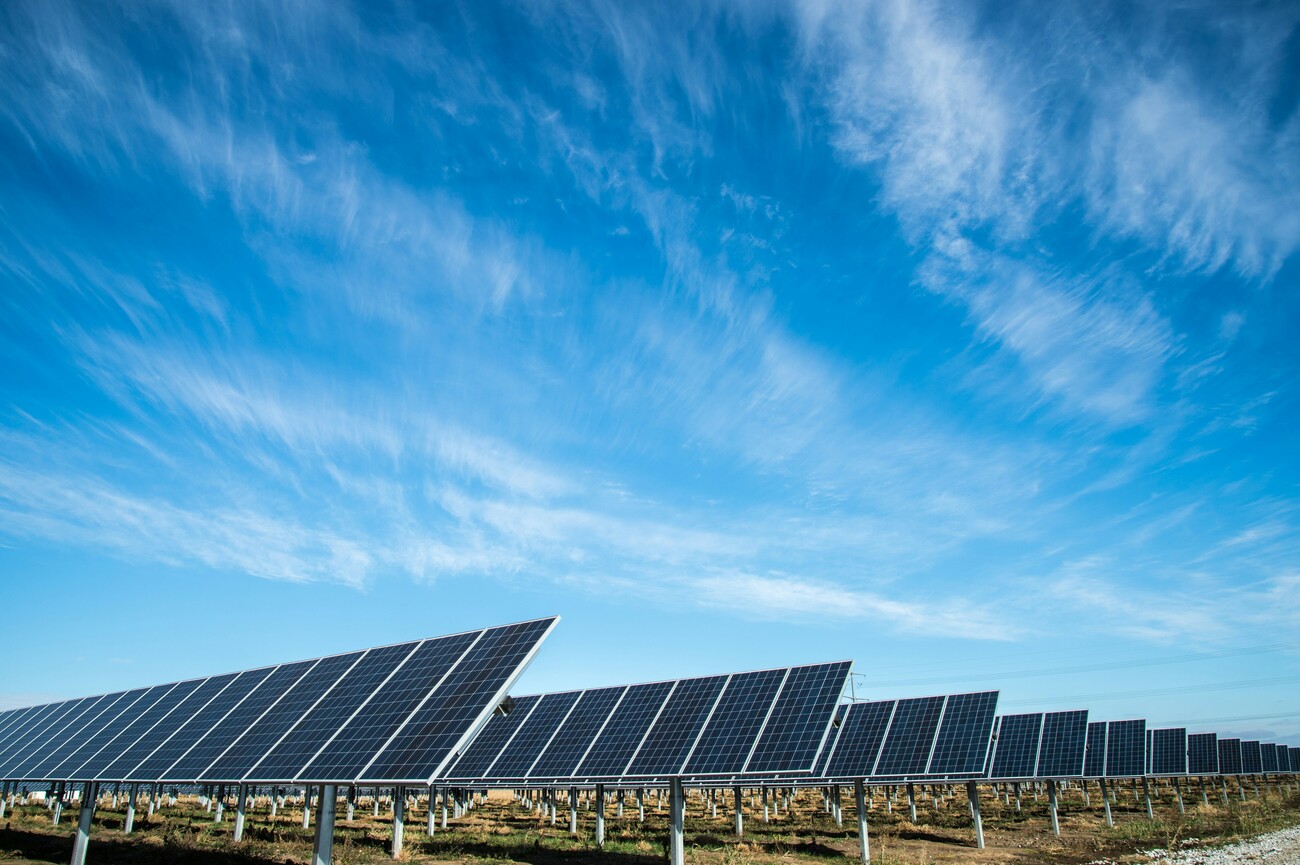
Photo by American Public Power Association on Unsplash
by Chelsea Chandler, Wisconsin Examiner
April 22, 2025
Fifty-five years ago, 20 million Americans came together on the first Earth Day to say “no” to pollution: no more oil spills off the Santa Barbara coast, no more toxic rivers catching fire like the Cuyahoga, no more pesticides like DDT that harm our health. Fed up with unchecked pollution, environmental leaders of the 1970s organized, educated, and advocated, ultimately ushering in landmark federal regulations, such as the Clean Air Act and the Safe Drinking Water Act, that fought contaminants in our air, water and land.
The environmental movement has excelled at standing up and saying “no,” with huge results. We can credit the rejection of pollution with helping to restore ecosystems and save countless lives. Today, while some things remain the same — and we’re still justified in fighting polluters to protect environmental and human health — some factors have changed, warranting new approaches. Climate change is no longer some far-off problem. It’s here, and it’s wreaking havoc. Last year was the warmest year on record; in fact, the hottest 10 years on record were all of the last 10 years. Floods, extreme storms, and disappearing winters are hurting Wisconsin’s communities and economy. And we need to do something about it. On this Earth Day, as we watch our federal government turn its back on the science of climate change, we have an opportunity to keep moving forward in Wisconsin by saying “yes” to wind and solar projects lining up for approval in our state.
While the president may be pushing expensive, “beautiful” coal and opening up protected lands for oil and gas drilling, we know that homegrown wind and solar are not only the cheapest ways to produce energy in Wisconsin, but they also bring enormous economic benefits to communities that host these projects. Farmers who sign leases to host solar panels or wind turbines receive high, stable income for 30 or more years. Communities hosting projects receive annual utility aid payments to the tune of $5,000 per megawatt. Local leaders can then direct this boost to municipal budgets where the community needs it most, like repairing roads and lowering taxes.
But let’s face it, in Wisconsin, large wind and solar projects remain controversial. Our state is rock bottom in the Midwest when it comes to the amount of wind energy we produce. Solar produces 100 times more energy per acre than ethanol, yet we devote more than a million acres of land to ethanol production and just a fraction of that to solar farms. The reality is that to protect the places we love and that sustain us, we need to build new, better infrastructure, because what we have now is harming us. We desperately need an alternative. We need more Wisconsinites to speak up in support of these solutions. The environmental movement cut its teeth by saying “no” to the problem of pollution. The time has come to build on this legacy and say “yes” to solutions: “yes” to clean energy, “yes” to thriving Wisconsin communities, and “yes” to a brighter future.
Wisconsin Examiner is part of States Newsroom, a nonprofit news network supported by grants and a coalition of donors as a 501c(3) public charity. Wisconsin Examiner maintains editorial independence. Contact Editor Ruth Conniff for questions: [email protected].
Memberships

The Wisconsin Examiner is a nonpartisan, nonprofit news site offering a fresh perspective on politics and policy in our state. As the largest news bureau covering state government in Madison, the Examiner offers investigative reporting and daily coverage dedicated to the public interest. We take our inspiration from the motto emblazoned on a ceiling in our state Capitol: “The Will of the People Is the Law of the Land.”


Add new comment