
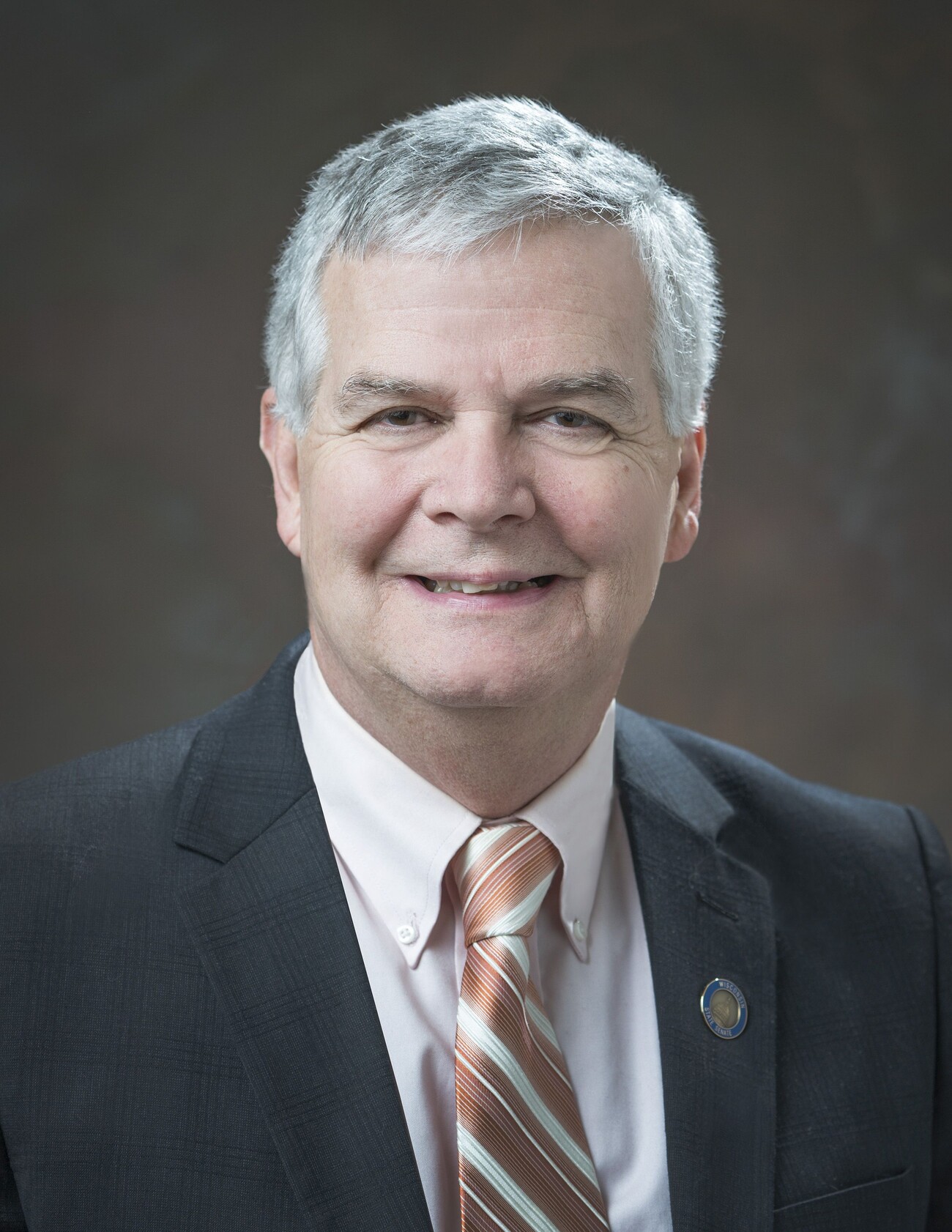
State Senator Jeff Smith
Please note, this weekly column contains sensitive information regarding domestic violence, which may be triggering for some readers.
A couple of weeks ago, I had the opportunity to meet virtually with two community leaders representing domestic violence awareness organizations in Wisconsin. Every October, we recognize Domestic Violence Awareness Month to bring attention to this issue and better understand the impact domestic violence has in our communities.
After having this conversation, one of the key takeaways I took from it was that we must continue raising community awareness about domestic violence even past the nationally-recognized Domestic Violence Awareness Month. Domestic violence can happen every day. In fact, domestic violence affects more than 12 million people every year.
Although October has passed, we’re responsible to continue the conversation and raise awareness throughout the year. In doing so, we’re working to support survivors and find long-term solutions to address this problem.
Domestic violence isn’t limited to a certain age, race, ethnicity, gender, sexuality, religion, or socioeconomic status. We know anyone can be affected by domestic violence; however, a large majority of victims are women, and offenders are often male. It’s also important to remember it occurs in higher rates among marginalized communities, especially among American Indians and Alaska Natives than other groups.
Importantly, domestic violence doesn’t only appear within marriage; it can appear in all types or stages of a relationship. When discussing domestic violence, many use the term “Intimate Partner Violence” interchangeably to help others better understand the many different facets or signs of domestic violence.
Not all domestic violence leaves a visible mark. Domestic violence can come in the form of physical, emotional, verbal, sexual, financial, cultural, spiritual, or digital abuse. This type of behavior is intended to maintain control or power in the relationship.
For decades, the cries of victims went unnoticed or ignored. Victims were, and are often still, wrongly blamed for the abusive situation. Blaming victims has resulted in the silence of victims. It was and sometimes still is considered a private matter that shouldn’t be interfered with. Despite continued awareness of this issue, domestic violence is still very prevalent within our local communities.
The COVID-19 pandemic has affected all of our lives, but it has affected victims of domestic violence even more and in such a complicated way. When schools closed and we began to isolate in our homes, it meant victims were likely trapped with their abuser for longer periods of time with no relief. The aggressor may have even become more agitated under the pressures the pandemic has wrought, such as financial stress or fewer opportunities to find relief from this stress.
In September, the New England Journal of Medicine published an article, calling Intimate Partner Violence “a pandemic within a pandemic,” stating victims were trapped with their abusers and were unable to connect with helplines. According to this article, domestic violence hotline calls dropped by 50% due to the inability of victims to escape the abuser to make a call.
With this in mind, raising community awareness around domestic violence past October is even more important this year. Back in July, Attorney General Josh Kaul announced the creation of the Missing and Murdered Indigenous Women Task Force, created to address the disparate rates of violence and abuse impacting Indigenous communities. Several weeks ago, I was announced as a member. I look forward to working with other members of the Task Force to continue the conversation, bring more attention to this issue and take action to keep our communities safer.
All victims need help and support. Offer assistance where you can. Abuse is never normal and should never be accepted as such. If you or someone you know may need help, these resources and organizations are available:
· National Domestic Violence Hotline: 1-800-799-7233
· End Domestic Abuse Wisconsin: 608-255-0539
· Bolton Refuge House in Eau Claire: 715-834-9578
· Turning Point for Victims of Domestic and Sexual Abuse in River Falls: 715-425-6751
· New Horizons Shelter and Outreach Center in La Crosse and Whitehall: 608-791-2610.
Memberships
All I know is what I read in the papers
 Domestic violence homicides got some media attention Wednesday with the release of a reportthat said three of every 10 homicides in the state is linked to domestic violence. The report by the Wisconsin Coalition Against Domestic Violence said 58 people were killed in domestic violence incidents during 2010.
Here's what you didn't read in the newspaper account, although it is part of the news release:
Advocates say the report raises timely questions about recent eliminations of gun restrictions in Wisconsin. “Again in 2010, more victims were killed with guns than by all other means combined,” said Seger. “Firearms were used in 61% of all incidents of domestic violence homicide. With concealed carry right around the corner, there is even more reason to worry that domestic violence victims will continue to be the target in fatal shootings.”
One of the perpetrators in the report, a man who shot and killed his pregnant wife, baby daughter, three dogs and then committed suicide, posted several messages supporting concealed carry on pro-gun websites before the homicides.
“We hear from the gun lobby and politicians that we need more loaded guns in public so the ‘good guys’ can be protected from the ‘bad guys,’” said Seger. “The problem is some of the so-called ‘good guys’ are the very people who abuse, and may well kill, their wives and girlfriends.”
Nationally, the Centers for Disease Control and Prevention has reported that family and intimate assaults with a firearm were three times more likely to result in death than those involving knives or other sharp instruments and 23 times more likely to result in death than assaults involving other weapons or bodily force.
So much for the theory that "He would have just killed her with something else."

Steve is a member of LION Publishers , the Wisconsin Newspaper Association, the Menomonie Area Chamber of Commerce, the Online News Association, and the Local Media Consortium, and is active in Health Dunn Right.
He has been a computer guy most of his life but has published a political blog, a discussion website, and now Eye On Dunn County.


Add new comment